
CryoPen Cryosurgery – How Cryotherapy Removes Skin Lesions and What Results to Expect
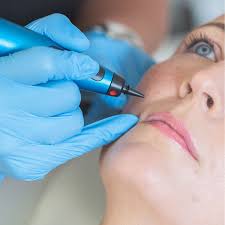
Cryotherapy is often associated with whole-body cryotherapy chambers used in sports recovery. However, in aesthetic and dermatology-based clinics, cryotherapy is most commonly used in a different form: localized cryosurgery.
One of the most advanced and precise methods available today is CryoPen cryotherapy, a targeted treatment used to safely remove unwanted skin lesions such as skin tags, warts, and other benign growths.
CryoPen allows controlled freezing of the lesion without damaging the surrounding healthy skin. The treatment is quick, effective, and usually requires little to no downtime.
In this article, we explain how CryoPen works, what conditions it treats, what to expect after the procedure, and the key aftercare recommendations.
What is CryoPen Cryosurgery?
CryoPen is a medical cryotherapy device used for localized cryosurgery (also known as cryotherapy lesion removal). It works by applying extreme cold directly to a skin lesion using a fine applicator tip.
CryoPen uses nitrous oxide (N₂O) to create very low temperatures at the point of contact, enabling accurate and controlled freezing of targeted tissue.
Unlike traditional cryotherapy sprays, CryoPen offers much greater precision, making it ideal for removing small skin lesions with minimal risk to the surrounding skin.
How Does CryoPen Work?
During CryoPen treatment, the cold temperature rapidly freezes the cells within the lesion. This process leads to:
-
destruction of abnormal tissue
-
interruption of blood supply to the lesion
-
controlled tissue damage, causing the lesion to die and naturally fall away
After the procedure, the treated area may darken or form a small scab. Over time, the skin heals and regenerates.
What Skin Lesions Can Be Treated with CryoPen?
CryoPen cryosurgery is commonly used to remove a variety of benign skin lesions, including:
-
skin tags (acrochordons)
-
common warts (verrucae)
-
age warts / seborrheic keratosis
-
some superficial keratin lesions and benign growths
Every lesion should be assessed prior to treatment to ensure it is suitable for cryotherapy and does not require medical investigation.
What Happens During a CryoPen Treatment?
CryoPen treatment is usually quick and typically takes only a few minutes depending on the number of lesions treated.
The procedure generally includes:
-
Consultation and lesion assessment
-
Skin cleansing and preparation
-
Precise CryoPen application to freeze the lesion
-
Aftercare advice
Most clients describe the sensation as a short sting, cold burning feeling, or mild discomfort. In most cases, anaesthetic is not required.
CryoPen Results – What to Expect After Treatment
After CryoPen treatment, the skin may go through several normal healing stages.
Common post-treatment reactions include:
-
redness
-
mild swelling
-
blistering (sometimes)
-
scabbing
-
gradual shedding of the lesion
The lesion typically falls away within a few days to 2–3 weeks, depending on its size and type. Full healing may take up to 4 weeks.
Some lesions may require a second session, especially larger or deeper warts.
Benefits of CryoPen Cryotherapy
CryoPen is a popular method of skin lesion removal due to its many advantages:
-
fast and convenient treatment
-
highly precise application
-
minimal damage to surrounding skin
-
no cutting or stitches
-
minimal downtime
-
suitable for many body areas
-
effective removal of common benign lesions
For many clients, CryoPen offers a safe alternative to other removal methods such as cautery or laser.
Contraindications – When CryoPen Cryotherapy is Not Recommended
Although CryoPen is safe and widely used, there are situations where treatment may not be suitable.
CryoPen cryosurgery may not be recommended in cases of:
-
suspicious lesions or lesions that may require dermatology assessment
-
uncontrolled diabetes or poor wound healing
-
bleeding disorders
-
active skin infection in the treatment area
-
cold intolerance or cold-related medical conditions
-
certain autoimmune skin disorders (depending on severity)
-
pregnancy (usually considered a relative contraindication)
A full consultation should always be completed before treatment.
CryoPen Aftercare Advice
To ensure the best results and reduce the risk of irritation or pigmentation changes, it is important to follow aftercare instructions.
Recommended aftercare includes:
-
keep the area clean and dry
-
avoid picking or scratching the scab
-
avoid swimming pools, saunas, and hot baths for several days
-
avoid direct sun exposure on the treated area
-
use high SPF protection (SPF 50 recommended)
-
avoid harsh skincare products on the treated area until fully healed
Blistering or scabbing is a normal part of the healing process.
CryoPen vs Whole-Body Cryotherapy – What’s the Difference?
It’s important to clarify that CryoPen is not the same as whole-body cryotherapy used for sports recovery.
Whole-body cryotherapy is performed in a cryo chamber and aims to support recovery and reduce inflammation throughout the body.
CryoPen, on the other hand, is a localized cryosurgery treatment designed specifically to remove unwanted skin lesions by freezing them in a controlled way.
Conclusion
CryoPen cryotherapy is a modern and effective method for removing unwanted skin lesions such as skin tags and warts. It is a quick, minimally invasive procedure with minimal downtime and excellent results in many cases.
If you have benign skin lesions that are irritating, catching on clothing, or affecting your confidence, CryoPen cryosurgery may be the ideal solution.
FAQ – CryoPen Cryotherapy
Does CryoPen treatment hurt?
Most clients feel a short sting or cold burning sensation, but the discomfort is usually mild and temporary.
How long does it take for the lesion to fall off?
Typically within a few days to 2–3 weeks, depending on the lesion.
Will CryoPen leave a scar?
Scarring is uncommon, but mild pigmentation changes can occur, especially if aftercare advice is not followed.
Can multiple lesions be removed in one session?
Yes, multiple skin tags or warts can usually be treated in one appointment.
Can CryoPen treat all skin lesions?
No. Suspicious, changing, or pigmented lesions should always be assessed by a doctor or dermatologist before removal.